
Written by: MidSouth Termite & Pest Control Team
Serving Columbia, SC since 2004
4.8-star rated pest control professionals
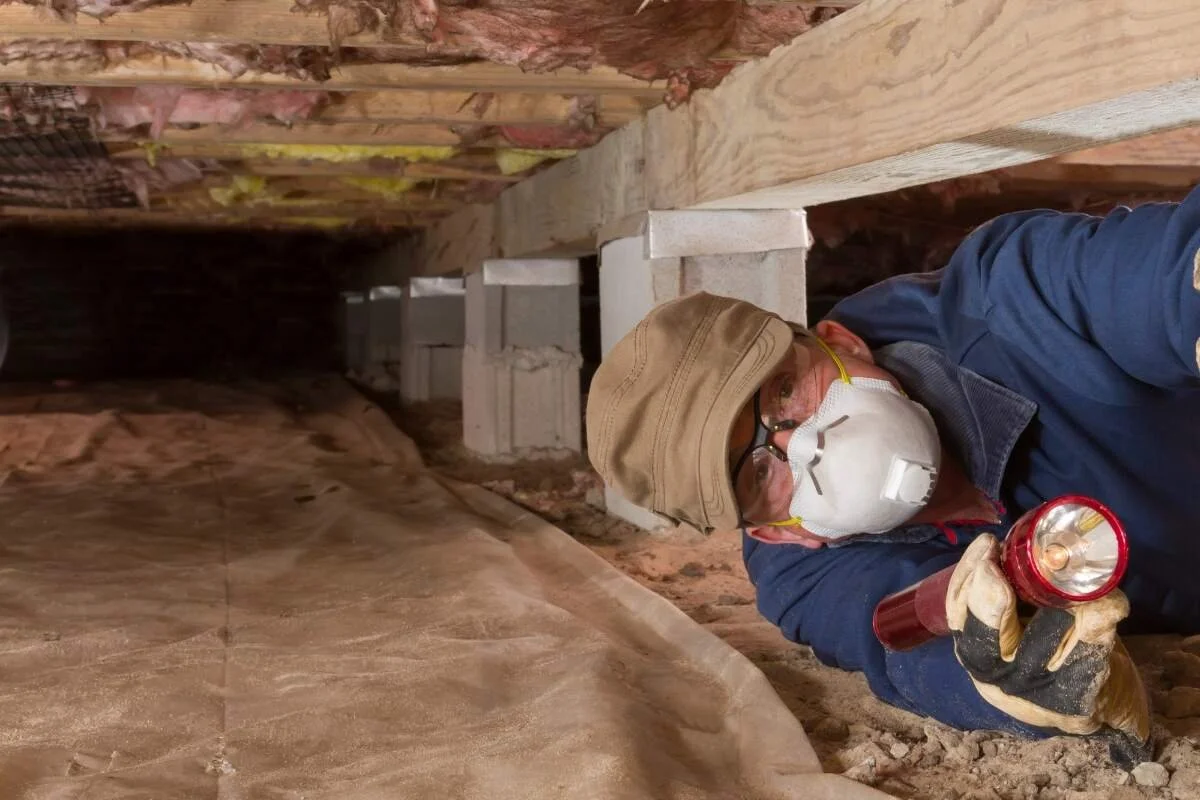
Maybe you noticed a musty smell, soft floors, extra humidity inside the house, or you looked under your home and found standing water in your crawl space.
These are just symptoms. The real problem is the moisture source feeding it.
In this guide, we’ll cover:
what causes water in a crawl space
warning signs homeowners often miss
the threats of leaving the problem untreated
DIY vs professional solutions
how to stop crawl space moisture before it causes further damage
Why Is There Water in My Crawl Space?
Water under your home can come from several different sources. The right fix depends on the cause.
Heavy Rain & Groundwater Intrusion
One of the most common causes is heavy rain.
After storms or constant rainfall, soil around the home can become saturated. As moisture builds up in the ground, water may seep into the crawl space through low areas, foundation openings, or groundwater pressure.
If you notice standing water after rain, weather-related moisture intrusion may be contributing to the problem.
Poor Drainage
Poor drainage can direct water toward your home instead of away from it.
You may have:
clogged gutters
short downspouts
poor runoff direction
no way for moisture to escape your crawl space
When rainwater is not properly redirected, your crawl space can suffer the consequences.
Humidity & Moisture Buildup
Not every crawl space water problem involves visible standing water.
High humidity, soil moisture, or condensation can create moisture problems even when the crawl space doesn’t look flooded.
Signs You May Have Water in Your Crawl Space
Most homeowners are not checking under their house every week.
That means crawl space moisture often shows up through these warning signs inside the home first.
Musty Smells Indoors
A damp, earthy, or stale smell in your home can be one of the earliest clues.
Soft, Sagging, or Uneven Floors
Long-term moisture can contribute to deterioration in structural areas.
You may notice:
soft spots
slight bounce when walking
uneven flooring
sagging areas
Higher Indoor Humidity
Signs can include:
stuffy indoor air
difficulty controlling humidity
a general feeling of dampness
Visible Mold or Moisture
Homeowners sometimes notice:
mold growth
condensation
moisture-related staining or discoloration
Worsening Allergies
Some homeowners report:
allergy or asthma flare-ups
throat or respiratory irritation
skin rashes
Increased Pest Activity
Moisture problems create pest-friendly environments. This is especially concerning for South Carolina homeowners.
Wet crawl spaces in Columbia and the Upstate create conditions that support:
Why Water in the Crawl Space Is a Problem
The longer the moisture stays, the more opportunities it has to affect your home’s structure, air quality, and pest problems.
Mold Risks
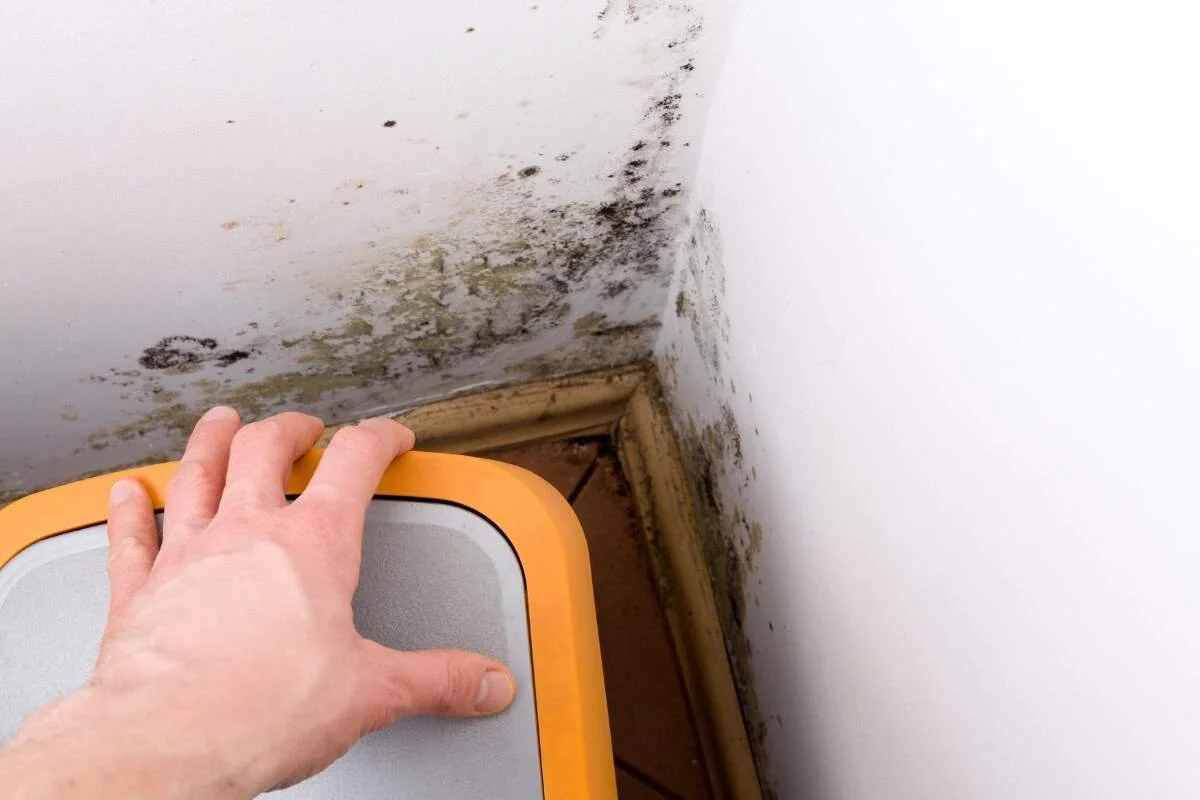
When crawl spaces stay damp or humid, homeowners may begin noticing:
persistent musty odors
dark, fuzzy, or slimy areas on walls, windows, ceilings, and tiles
unexplained sickness that clears up when you leave the house
Wood Rot & Structural Damage
Your crawl space supports important parts of your home.
Long-term moisture exposure can affect:
wood beams
floor joists
subfloor materials
other support structures
Higher Energy Bills & HVAC Strain
Excess moisture can also affect indoor comfort.
A wet crawl space may contribute to:
humidity challenges
reduced comfort
harder-working HVAC systems
efficiency concerns
Addressing Crawl Space Water Problems in South Carolina
South Carolina’s heat, humidity, soil conditions, and heavy rainfall can make moisture problems especially common.
When dealing with crawl space moisture, working with a local company matters. South Carolina homes face conditions that national, one-size-fits-all advice doesn’t always account for.
A locally-owned company understands how our weather, crawl space construction styles, and regional pests affect homes in this area.
Can You Remove Water From a Crawl Space Yourself?
In some situations, homeowners may be able to take temporary steps to reduce visible moisture. But eliminating the source of the problem typically requires help from a professional.
The Important Truth: Removing Water Is Not the Same as Fixing the Source
Just removing the water is where many crawl space problems become recurring nightmares.
The water gets removed.
The underlying cause stays.
Then the moisture returns.
If the issue involves groundwater intrusion, drainage failures, or persistent humidity, you need long-term, professional crawl space solutions.
How to Fix Water in a Crawl Space For Good
French Drains
When water repeatedly enters a crawl space after heavy rain or groundwater buildup, drainage solutions may be needed.
French drains control how water moves around and beneath the home. They redirect water away from the crawl space before it can continue collecting under your home.
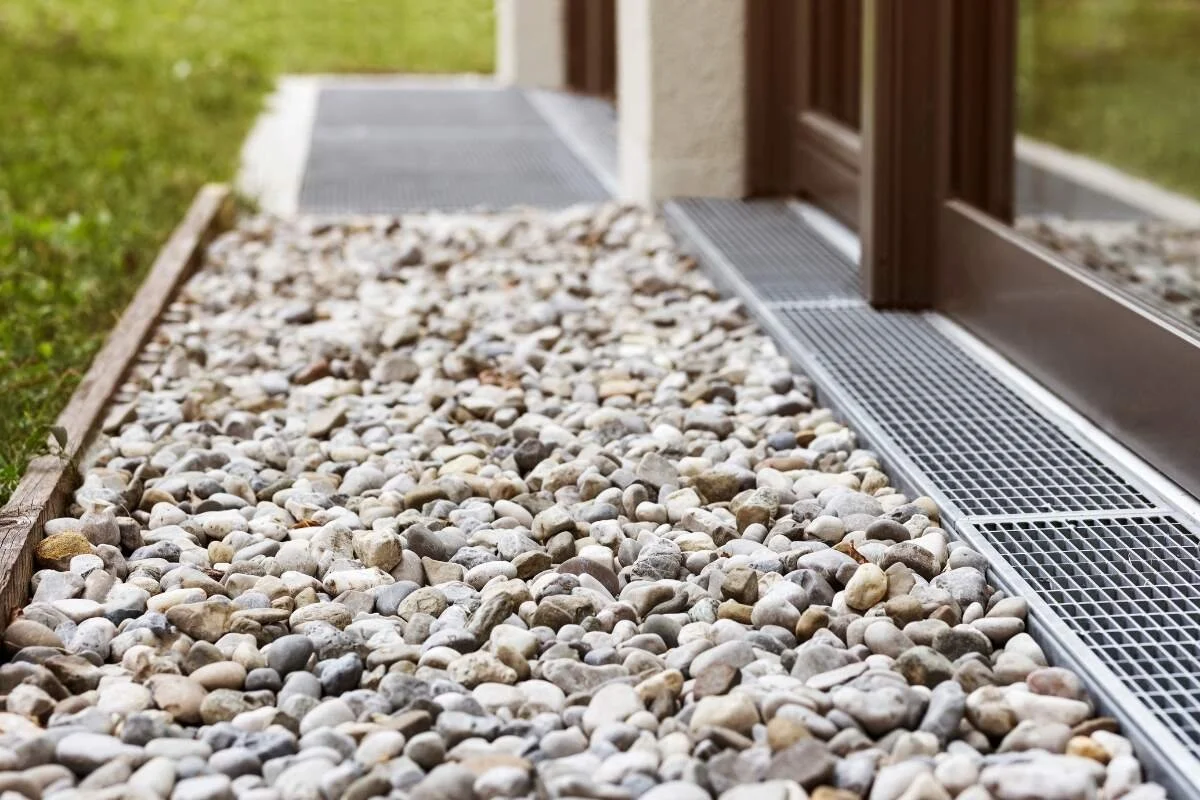
Install them to manage:
groundwater intrusion
standing water
drainage issues
recurring moisture after storms
Vapor Barriers
Not every crawl space moisture problem involves visible standing water. Sometimes moisture rises from your home’s soil.
Vapor barriers help reduce moisture migration from the ground into the crawl space environment.
They can help address:
damp soil
humidity buildup
condensation concerns
musty conditions
Dehumidifiers
Crawl space dehumidifiers help remove excess moisture from the air and support healthier humidity levels beneath the home.
They are appropriate solutions when you are experiencing:
mold growth
musty odors
wood moisture issues
uncomfortable indoor humidity
Full Waterproofing or Encapsulation
For some homes, moisture control requires a more comprehensive approach.
Full crawl space waterproofing or encapsulation creates a sealed environment designed to help manage moisture, humidity, and outside air intrusion.
These solutions are often used when homeowners are dealing with recurring moisture problems, persistent humidity, or long-term crawl space concerns.
Professional Crawl Space Moisture Management
When crawl space moisture keeps returning, guessing can get expensive.
MidSouth Termite & Pest Control, Inc. helps homeowners in South Carolina identify what’s actually causing moisture beneath their homes and provides customized crawl space solutions.
Conclusion
Water in a crawl space is usually a symptom of a bigger problem, and not something to ignore.
Whether the source is heavy rain, drainage problems, groundwater intrusion, or excess humidity, moisture under your home can quietly affect:
air quality
comfort
mold levels
structural materials
energy efficiency
And the longer moisture sits beneath the house, the more opportunity it has to create problems in the spaces above it.
Solving the problem for good often requires immediate attention and help from a professional.
Concerned About Water in Your Crawl Space?
If you're dealing with water in your crawl space, MidSouth Termite & Pest Control, Inc. can help. With 20+ years of experience and hundreds of 5-star reviews, we can guarantee 100% satisfaction for South Carolina homeowners.