
Do Mosquitoes Bite Dogs? Everything You Need to Know
Written by: MidSouth Termite & Pest Control Team
Serving Columbia, SC since 2004
4.8-star rated pest control professionals
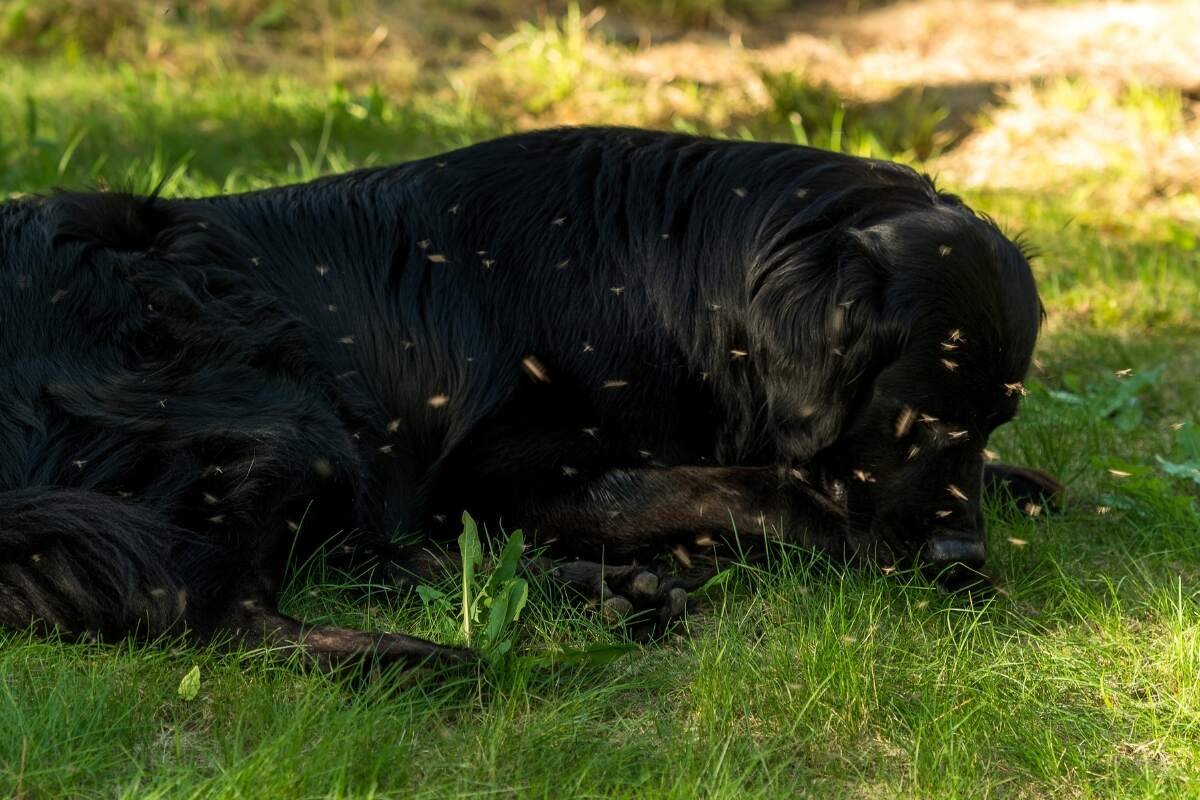
While most homeowners think to protect themselves from mosquito bites, many don’t realize mosquitoes bite dogs too.
And the threat goes beyond a few itchy bumps.
Mosquitoes bite dogs just like they bite humans. But in some cases, those bites can contribute to much bigger health concerns, including heartworm exposure.
In this guide, we’ll cover:
whether mosquitoes bite dogs
what mosquito bites look like on dogs
where mosquitoes commonly bite
whether mosquito bites are dangerous for dogs
how to help protect your dog and reduce mosquitoes around your yard
Can Dogs Get Mosquito Bites?
Many pet owners assume their dog’s fur protects them from mosquitoes.
Unfortunately, dogs are mammals with tons of factors that make them vulnerable to mosquito bites.
Why Dogs Attract Mosquitoes
Female mosquitoes bite because they need blood to help produce eggs.
They’re looking for things like:
body heat
scent
carbon dioxide from breathing
accessible skin
Dogs naturally check those boxes.
That means your dog can attract mosquitoes during a quick bathroom break, an evening walk, backyard playtime, or just relaxing outside with the family.
When Dogs Can Attract Mosquitoes
Some dogs experience heavier mosquito activity depending on their habits and environment.
Factors that can attract mosquitoes to dogs include:
Peak mosquito activity times — Mosquitoes are most active during early mornings and evenings.
Backyard conditions — Standing water, shade, thick landscaping, humidity, and damp areas can create mosquito-friendly environments.
And while thick fur offers some protection in certain areas, it does not make dogs mosquito-proof.
Mosquitoes commonly target thin-fur or exposed areas where biting is easier. Which is why some dogs seem especially bothered around the face, ears, or belly.
What Do Mosquito Bites Look Like on Dogs?
Unlike humans, dogs can’t tell you when they’re itchy or irritated. Instead, you have to notice small physical changes or behavior shifts on your own.
Common Signs of Mosquito Bites on Dogs
Mosquito bites on dogs can look slightly different depending on the dog, the location of the bite, and how strongly they react.
Common signs may include:
small, swollen bumps
redness or irritated skin
itching
sensitivity when touched
Some dogs experience only mild irritation. Others may react more noticeably, especially after repeated bites.
Because reactions vary, mosquito bites can sometimes be mistaken for other skin irritations, allergies, or insect bites.
Where Mosquitoes Commonly Bite Dogs
Mosquitoes tend to target areas where skin is easier to access.
Common mosquito bite locations on dogs include:
ears
nose
belly
inner legs
around the eyes
other thin-fur or exposed areas
The ears are a particularly common target because they have thinner skin and less protective fur coverage.
If you’ve ever noticed your dog suddenly scratching their ears after being outside, mosquitoes could be part of the problem.
Behavioral Signs Your Dog May Be Getting Mosquito Bites
Sometimes the biggest clues come from your dog’s behavior.
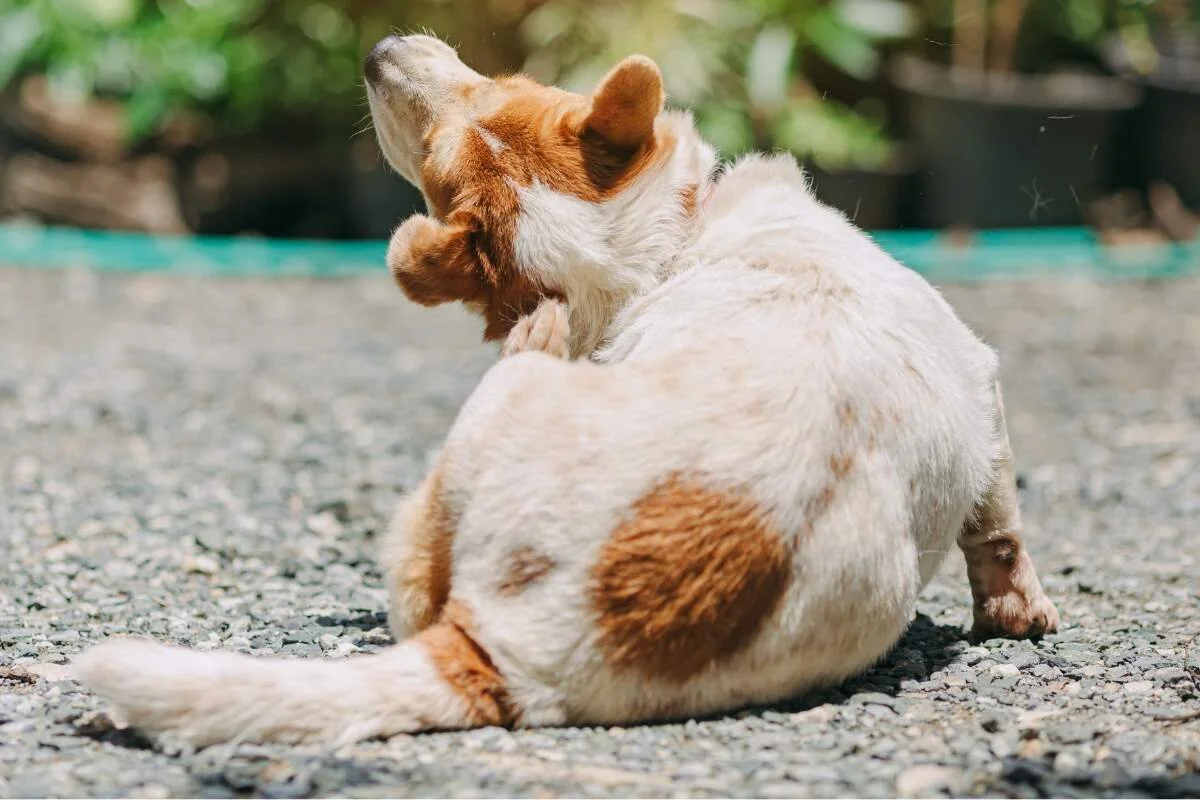
Signs your dog may be dealing with mosquito bi
tes include:
scratching their ears repeatedly
rubbing their face
licking or chewing irritated areas
restlessness after spending time outdoors
frequent scratching around thin-fur areas
Occasional scratching may not be cause for alarm.
But when irritation keeps happening after outdoor time, or you’re seeing visible bumps and redness, mosquitoes may be more than just a minor backyard annoyance.
And that leads to the bigger question many pet owners ask:
Are mosquito bites actually dangerous for dogs or just uncomfortable?
Are Mosquito Bites Dangerous for Dogs?
Mosquito bites can become more problematic when reactions go beyond mild irritation.
Some dogs may experience:
Excessive scratching or chewing — Constant scratching can make skin irritation worse.
Skin damage from scratching — Persistent irritation can sometimes lead to broken skin, which may create opportunities for secondary issues.
Mosquito-born diseases — These pests have a reputation for spreading various diseases, like heartworms.
Can Mosquitoes Give Dogs Heartworms?
Yes. Mosquitoes can play a role in spreading heartworms to dogs.
And for many pet owners, this is the reason mosquitoes become much more than an annoying summertime problem.
How Mosquitoes Spread Heartworms to Dogs
Heartworm transmission begins with a mosquito bite.
When a mosquito bites an infected animal, it can pick up microscopic heartworm larvae. Later, if that mosquito bites another dog, the larvae can be transferred through the bite.
Over time, those parasites can develop inside the dog’s body.
Mosquito Control Plays a Role in Reducing Exposure
Protecting your dog from a mosquito-borne disease doesn’t start after a bite happens. It starts by addressing mosquito activity now.
And in South Carolina, that challenge can be harder than many pet owners realize.
Start by getting a mosquito treatment estimate from a local pest control company today.
Why Mosquitoes Are a Bigger Problem for Dogs in South Carolina
If you live in South Carolina, mosquitoes aren’t just an occasional nuisance. For many homeowners, they’re a regular part of backyard life. Especially during warmer months.
And if your dog loves spending time outdoors, that can meanlonger, more frequent mosquito exposure.
Our Weather Conditions Help Mosquitoes Thrive
Mosquitoes love warm temperatures, moisture, and standing water.
Unfortunately, South Carolina gives them plenty of all three.
Longer Mosquito Season Means Longer Exposure
In South Carolina, mosquitoes are active for nearly half of the year.
For dogs that means repeated mosquito exposure over an extended season.
How to Protect Your Dog From Mosquitoes
While you may not be able to eliminate every mosquito encounter, there are practical steps pet owners can take to help reduce exposure and make outdoor time more comfortable.
Ask Your Veterinarian About Heartworm Prevention
Because mosquitoes are connected to heartworm transmission, many pet owners talk with their veterinarian about heartworm prevention strategies.
This article is not veterinary advice, but your veterinarian can help guide decisions about your dog’s individual health needs and preventative care.
Reduce Mosquitoes Around Areas Where Your Dog Spends Time
Think about where your dog spends time:
backyard play areas
patios
decks
shaded resting spots
If mosquitoes are active in those areas, your dog may be dealing with repeated exposure every day.
That’s why many pet owners focus not only on protecting their pets directly, but also on making their yard less inviting to mosquitoes in the first place.
How to Reduce Mosquitoes Around Your Yard
If mosquitoes are taking over your backyard, you have to make the environment less attractive to them.
Because when mosquitoes thrive around your property, your dog ends up right in the middle of the problem.
Eliminate Standing Water Sources
Standing water is one of the biggest mosquito magnets around a property. Even small amounts can create breeding opportunities.

Check your yard regularly for common problems like:
dog water bowls left sitting outside
bird baths
clogged gutters
kiddie pools
flower pots and plant saucers
tarps holding rainwater
low spots or drainage issues
Many homeowners are surprised by how little water mosquitoes actually need.
Removing breeding sources can help reduce mosquito pressure around the places your dog spends time.
Reduce Mosquito Resting Areas
Mosquitoes don’t spend all day flying around looking for hosts. They also rest in cool, shaded, protected areas.
Common mosquito hiding spots include:
overgrown shrubs
dense landscaping
thick vegetation
damp, shaded areas
brushy or cluttered outdoor spaces
Keeping vegetation trimmed and reducing heavy resting areas can help make your yard less comfortable for mosquitoes.
Professional Mosquito Reduction Can Help Lower Backyard Activity
Sometimes mosquito problems go beyond what basic yard maintenance can realistically control.
When mosquito activity keeps taking over outdoor spaces, professional pest control services can help.
When Should You Call a Vet?
Many mosquito bites on dogs are mild and temporary.
But there are situations where professional veterinary guidance may be appropriate.
You may want to contact your veterinarian if you notice:
severe swelling
persistent irritation
unusual reactions after bites
intense scratching or skin damage
questions or concerns related to heartworm prevention or exposure
Every dog responds differently to insect bites, and some may experience stronger reactions than others.
If something feels unusual, worsening, or out of character for your dog, it’s worth reaching out to your veterinarian for guidance.
This article is intended for informational purposes only and is not veterinary advice.
Conclusion
Yes, mosquitoes do bite dogs.
Mosquitoes can affect your dog’s comfort outdoors, contribute to irritation and scratching, and play a role in larger concerns like heartworm exposure.
Reducing mosquito populations around your property can help create a safer, more comfortable environment for your family and pets.
Concerned About Mosquitoes In Your Yard?
If mosquitoes are taking over your outdoor spaces in Columbia, Lexington, or surrounding South Carolina communities, contact MidSouth Termite & Pest Control, Inc. for a FREE estimate.
We’ll help you reduce mosquito activity around the places your pets spend time most.