
How to Get Rid of Mice in Walls for Good
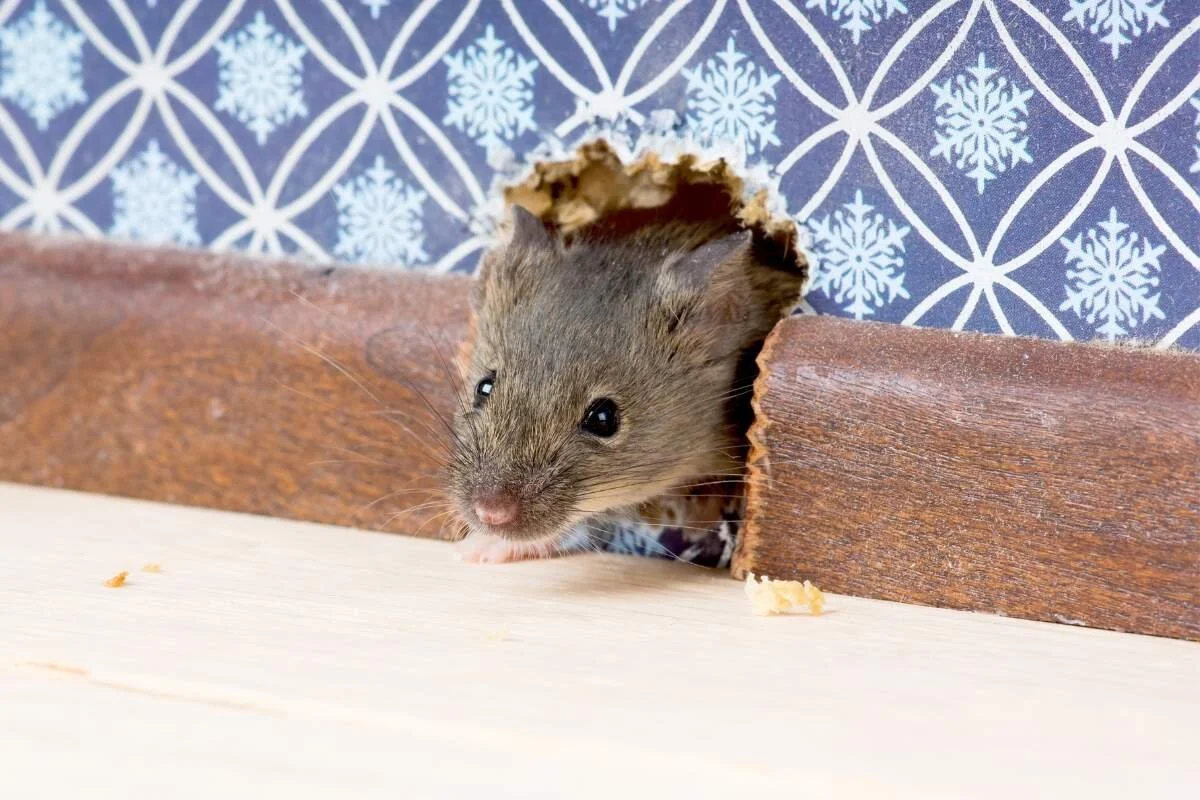
Written by: MidSouth Termite & Pest Control Team
Serving Columbia, SC since 2004
4.8-star rated pest control professionals
If mice are living in your walls, catching one that wanders into the kitchen may give you temporary relief. But it doesn’t confirm the rest are gone or explain how they entered.
Mice use wall cavities as protected travel routes and nesting areas. From there, they can move into kitchens, attics, and crawlspaces, in search of food or water. Before you know it, they’re contaminating food, damaging insulation, and chewing your wiring.
Getting rid of mice in walls requires a thorough approach. You need to confirm the activity, remove the rodents, monitor for continued signs, and close the openings that allowed them inside.
Signs You May Have Mice in Your Walls
Mice usually make their presence known before you see one.
Scratching or Scurrying at Night
Light scratching or quick movement behind drywall may suggest that a mouse is traveling through the wall or digging through insulation. The noise is often more noticeable after the home becomes quiet.
Gnawing Sounds
Mice chew anything from vinyl to electrical wiring. If you have mice, you may hear gnawing inside the wall or discover damage to wood, insulation, and food packaging.
Occasional Squeaking
Occasional squeaking may occur when several mice are nesting nearby.
Mouse Droppings
Check cabinets, pantry shelves, appliance gaps, baseboards, attics, and crawlspaces. Fresh droppings are usually dark. Older droppings become dry and faded.
Grease Marks and Odors
Mice often follow the same paths. Their bodies may leave dark rub marks along walls or baseboards.
Urine, nesting materials, and ongoing activity can create a musky or ammonia-like odor. A strong smell concentrated near one wall or vent may indicate a dead mouse.
Is It a Mouse?
These signs don’t always mean mice.
Other possibilities include rats, squirrels, insects, loose plumbing, or shifting ductwork.
Small, fast movement at night may suggest mice. Heavier thumping or daytime activity may point to a larger animal.
A professional rodent inspection is especially useful when the noise appears in several areas or cannot be traced to an accessible space.
How Mice Get Into Wall Cavities
Walls give mice warmth, shelter, and hidden routes between nesting areas and food sources.
A mouse may sleep inside the wall, then leave through a small opening to reach pantry food, pet bowls, garbage, or leaking pipes.
Insulation, cardboard, fabric, and paper may become nesting material.
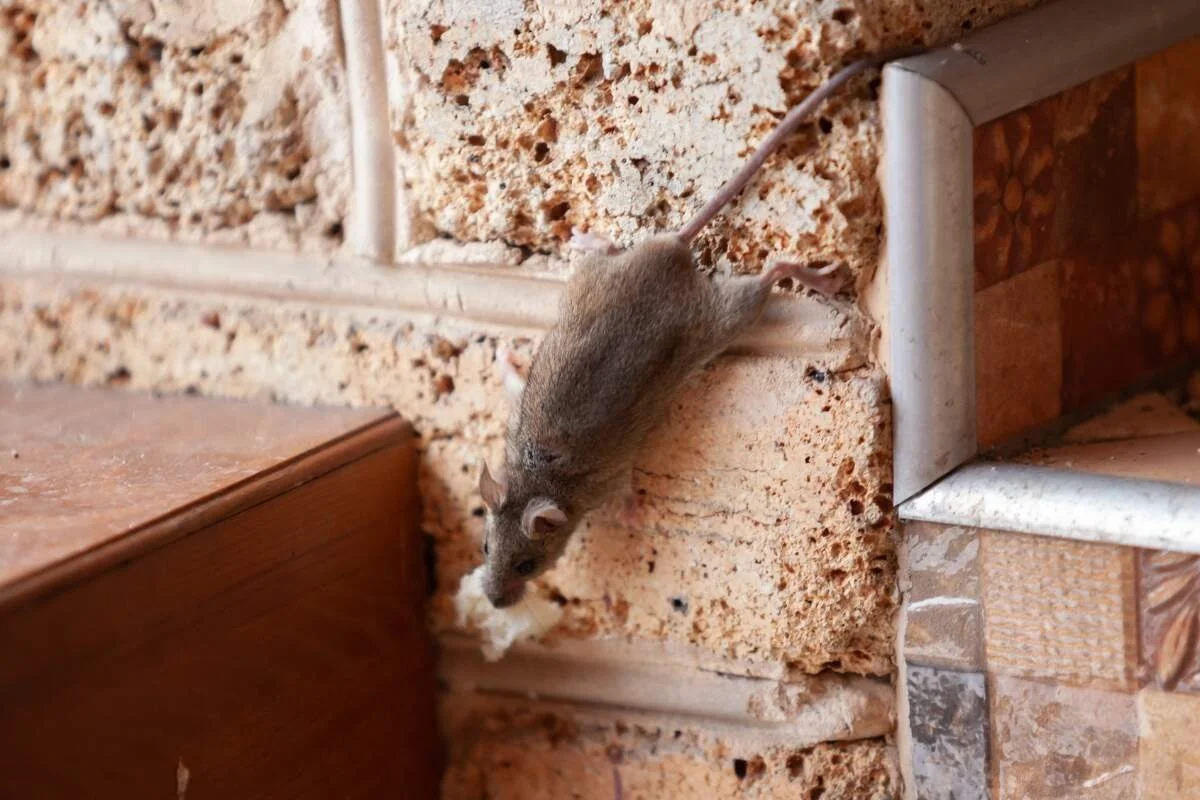
Common entry points include:
gaps around pipes and utility lines
crawlspace vents
damaged door sweeps
foundation or roofline openings
unsecured exterior vents
Steps to Get Rid of Mice in Walls
1. Confirm the Activity
Look for droppings, gnaw marks, grease stains, damaged food packaging, and entry points.
Correct identification matters because mouse and rat control require different trap sizes and placement strategies.
2. Locate Active Travel Routes
Mice usually leave the walls to search for food and water. Inspect baseboards, cabinets, appliance gaps, utility rooms, garages, attics, and crawlspaces.
Focus on places with fresh droppings or gnawing.
3. Remove Food, Water, and Shelter
Reduce the resources that support the infestation.
Helpful steps include:
moving food into sealed containers
securing pet food
cleaning crumbs and spills
repairing leaks
reducing clutter
keeping trash covered
4. Place Traps Along Active Routes
Traps are generally placed where mice leave the wall rather than inside a sealed wall cavity.
Useful locations include areas behind appliances, near droppings, inside cabinets, or close to suspected openings.
5. Monitor for Continued Activity
Catching one mouse does not prove the problem is over. Keep checking for new droppings, fresh gnawing, trap activity, and continued scratching.
6. Seal Entry Points
Once the active population has been addressed, exclusion helps keep new mice out.
Repairs may involve door sweeps, metal mesh, flashing, hardware cloth, or durable sealants used with a physical barrier.
Poorly timed sealing can trap rodents inside inaccessible areas, so removal and exclusion should be coordinated carefully.
How and Where to Place Mouse Traps
Trap size matters. A trap made for mice may not control rats properly.
Since mice tend to follow edges rather than cross open rooms, place traps against walls or near evidence.
Use fresh droppings, gnaw marks, food damage, or grease marks to guide placement.
One trap may not be enough when several mice are active.
Traps and bait stations should never be placed where children or pets can reach them.
Should You Use Poison for Mice in Walls?
Rodenticides can create added problems when used carelessly.
A poisoned mouse may die inside an inaccessible wall cavity, causing a strong odor and making removal difficult.
Improper placement can also expose children, pets, or wildlife.
Homeowners should not place loose poison inside walls. When baiting is appropriate, professional placement and monitoring is safer and more effective.
What If a Mouse Dies Inside the Wall?
A dead mouse can create a strong, sour odor near a wall, vent, cabinet, or baseboard.
The exact source can be difficult to locate because smells travel through wall cavities and airflow.
Opening the wall may make sense when the location can be identified accurately and removal can be completed without unnecessary damage.
How to Seal Entry Points and Keep Mice Out
Catching mice without closing entry points leaves the home vulnerable to another infestation.
Inspect openings around plumbing, utility lines, crawlspaces, garage doors, rooflines, and exterior vents.
Use rodent-resistant materials like metal mesh, copper mesh, flashing, or hardware cloth.
How to Clean Mouse Droppings Safely
Rodent droppings, urine, and nesting materials should be handled carefully.
Do not sweep or vacuum dry droppings.
For small areas:
Ventilate the space when safe.
Wear rubber or plastic gloves.
Wet the droppings with an EPA-registered disinfectant.
Follow the product’s contact-time instructions.
Wipe up the material with paper towels.
Discard the waste in a covered trash container.
Disinfect the surrounding surface.
Wash your hands after removing the gloves.
Discard contaminated food.
Large infestations or rodent activity inside air ducts may require professional cleanup.
Mouse Activity In South Carolina
South Carolina’s climate allows rodents to remain active throughout the year.
Cold snaps may push them indoors for warmth and heavy rain can disturb outdoor nesting spots. Homes with crawlspaces, attics, garages, and wooded surroundings may offer several protected entry routes.
A local pest control company understands how South Carolina construction, storms, and regional rodent species affect inspection and exclusion.
Can You Get Mice Out of Walls Yourself?
DIY treatment may work when activity is limited, travel routes are accessible, entry points are obvious, and traps can be placed safely.
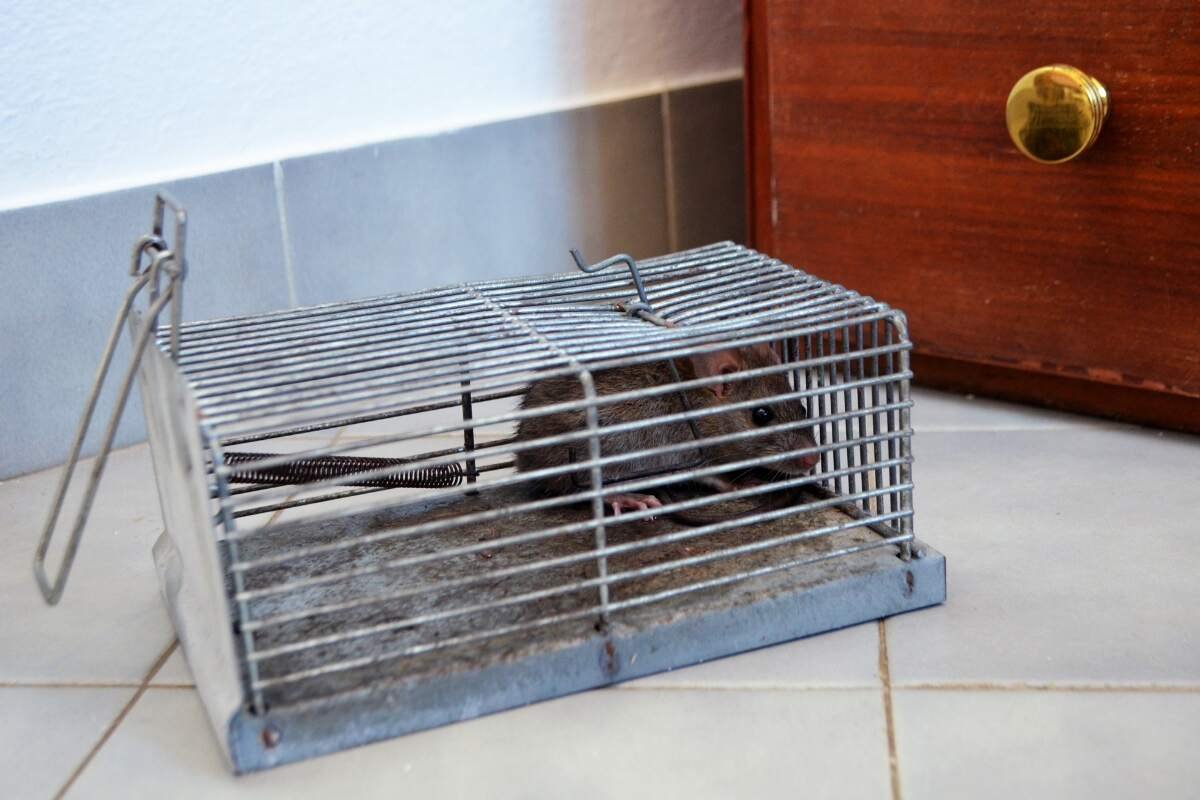
Professional help is usually the better choice when:
scratching continues after trapping
activity is inaccessible
droppings appear in several rooms
strong odors develop
wiring or insulation is damaged
the infestation keeps returning
How MidSouth Helps Get Mice Out and Keep Them Out
MidSouth Termite & Pest Control, Inc. uses a proven rodent control process designed to address active mice and the conditions that allowed them inside.
Rodent Inspection
The process begins with identifying the rodent species, active areas, entry points, and attractants.
Sanitation Recommendations
Homeowners receive practical guidance for pantry storage, trash management, clutter reduction, and pet-food storage.
Professional Baits and Traps
We use professional-grade baiting and trapping based on the property and the activity found during inspection.
Rodent Monitoring
Technicians return to evaluate progress and make adjustments as needed.
Rodent Exclusion
After the active population has been eliminated, technicians address re-entry with door sweeps, caulking, and gap sealing.
Suspect Mice Inside Your Walls?
If you suspect mice are nesting inside your walls, MidSouth Termite & Pest Control, Inc. can help.
With more than 20 years of experience, we provide rodent control solutions in Columbia and the Upstate, offering a 100% satisfaction guarantee.
Call (803) 380-8161 or contact us online to get a FREE estimate.
Frequently Asked Questions
Can mice chew through walls?
Mice can gnaw through drywall, insulation, wood, and other soft building materials while creating travel routes or nesting areas. They usually enter wall cavities through existing gaps, then enlarge openings as needed.
Will mice leave on their own?
Mice are unlikely to leave a space that provides shelter and reliable access to food or water.
What keeps mice from coming back?
Long-term prevention depends on sealing entry points, storing food securely, correcting moisture problems, and monitoring for new activity.