
Foundation Cracks: When to Worry About Water, Pests, or Damage
Written by: MidSouth Termite & Pest Control Team
Serving Columbia, SC since 2004
4.8-star rated pest control professionals
A crack in your foundation can look like a minor issue. But if water gets through it, the problem can spread under your home.
Some cracks form as concrete dries. Others may come from soil movement, water pressure, or uneven settling.
The shape of the crack matters. So does what you see around it.
Quick Answer: When Should You Worry About Foundation Cracks?
Get help if a foundation crack is leaking, growing, running sideways, or shaped like stairs. You should also call a professional if you have a bowed wall, uneven floors, musty smells, or water in the crawlspace.
A thin crack may not be a major structural problem, but it can still let water into your home.
What Causes Foundation Cracks?
There are a few common reasons why cracks might develop in a home’s foundation.
When concrete dries, it can shrink. The soil around the house can also expand when it gets wet and shrink when it’s dry. So over time, the house might settle or shift gradually.
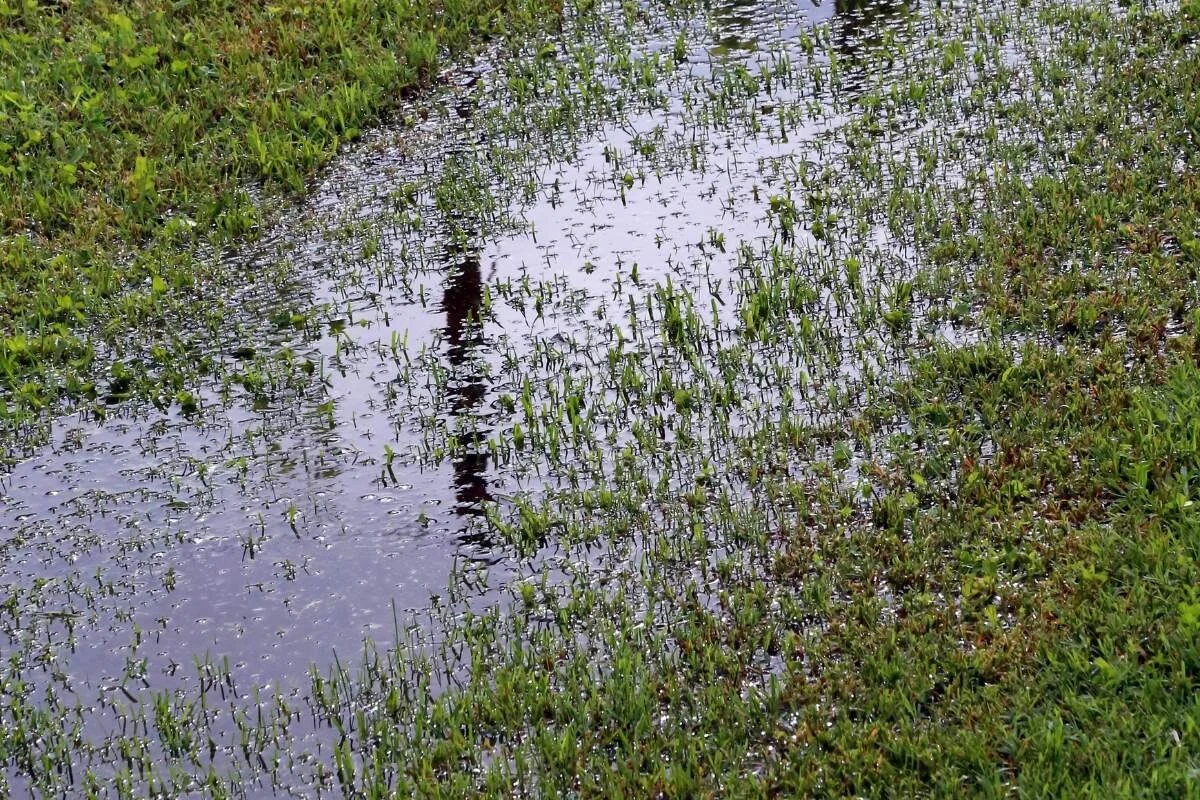
Heavy rain can soak the ground around the house, putting pressure on the foundation and sometimes causing water to seep through small cracks.
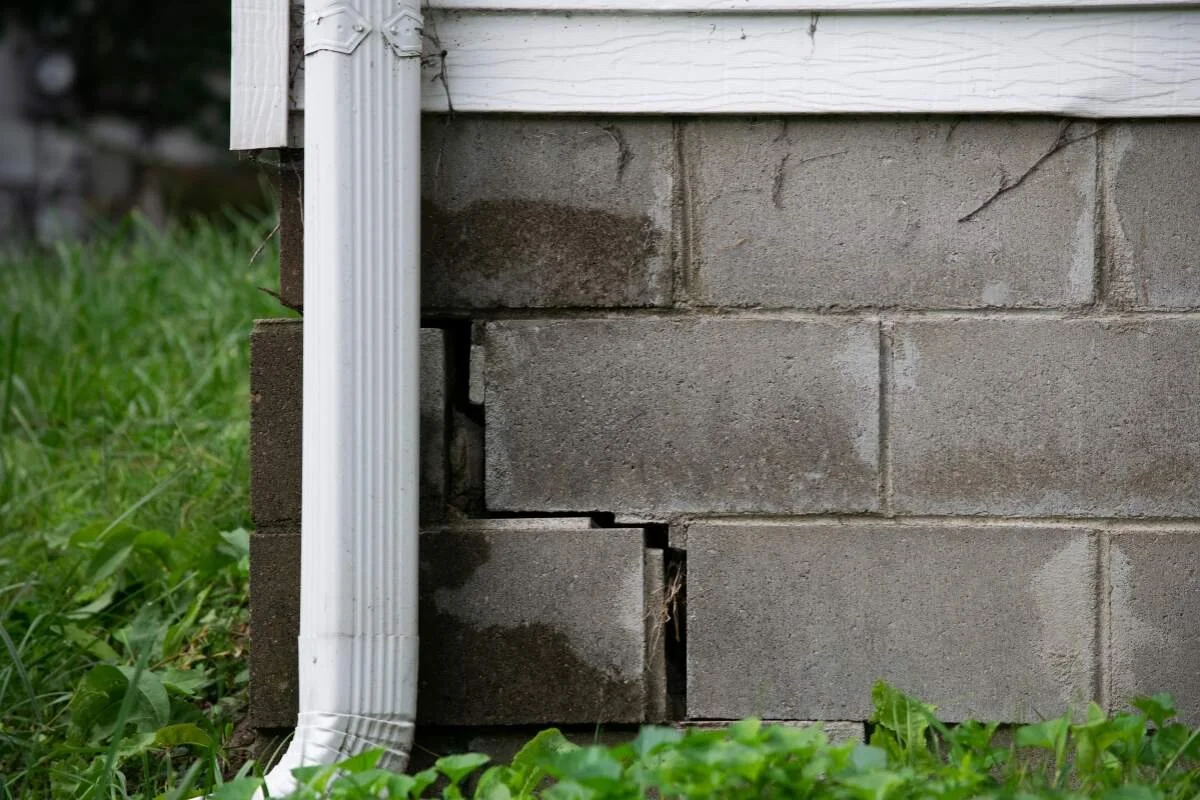
Poor drainage around the home can make this worse. If gutters are clogged, downspouts are too short, or the yard slopes toward the house, water can become trapped near the foundation.
Leaks from pipes or sprinkler systems can also add extra moisture close to the house, increasing the chance of cracks.
Types of Foundation Cracks
Hairline Cracks
Hairline cracks are very thin. They often form as concrete dries.
Take a photo and watch for leaking or growth.
Vertical Cracks
Vertical cracks may come from shrinkage or light settling.
They need more attention if water comes through them or stains form nearby.
Diagonal Cracks
Diagonal cracks may mean one part of the home is settling more than another.
Watch for sticking doors, sloped floors, or a crack that keeps growing.
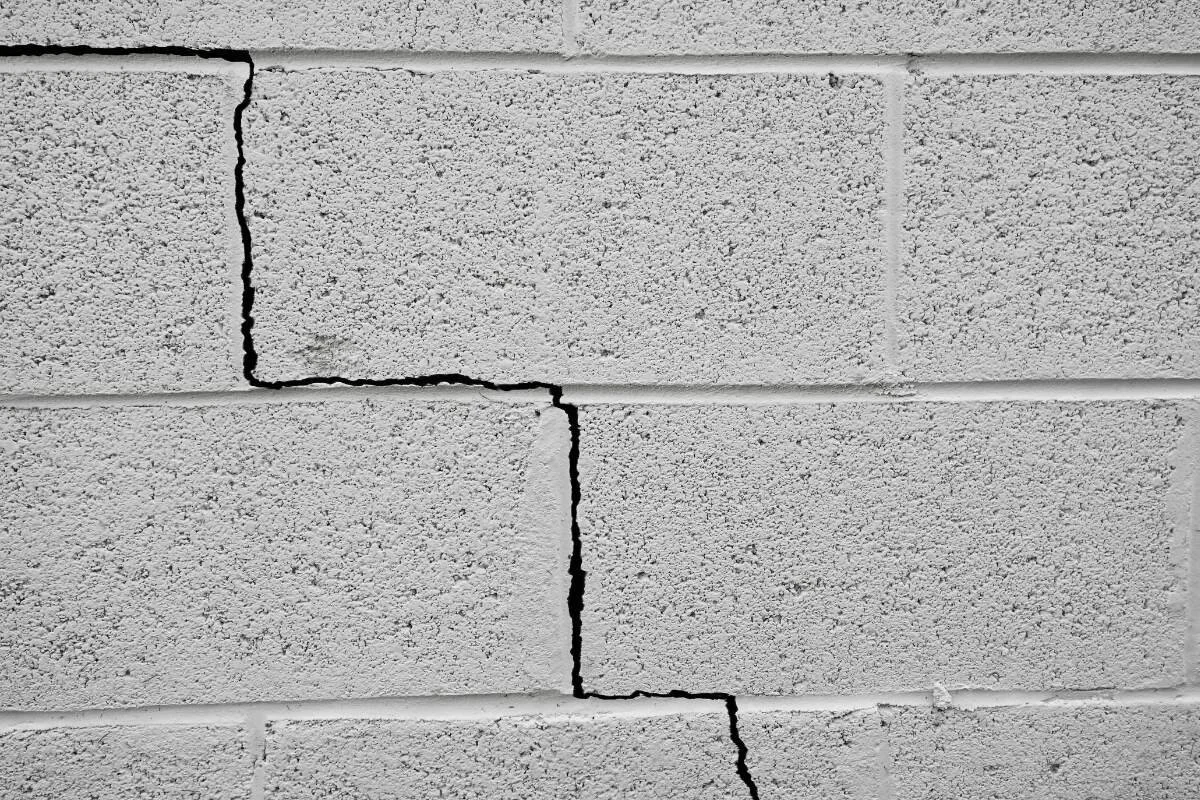
Stair-Step Cracks
Stair-step cracks follow the lines between bricks or blocks.
They may point to foundation movement and should be checked by a foundation expert.
Horizontal Cracks
Horizontal cracks may form when wet soil pushes against the foundation wall.
These cracks can be serious and need attention ASAP.
Cracks With Bowing Walls
A bowed wall may mean the foundation is under strong pressure.
Call a foundation contractor or structural engineer.
Can Foundation Cracks Let Water Into Your Home?
Foundation damage may become a path for rainwater or groundwater.
You may notice:
Water stains near the crack
Damp soil or wet insulation
Musty smells in the crawlspace
Mold or indoor humidity
Water can also reach floor joists and subfloor wood. Over time, wet wood may soften or rot.
Moisture may also attract termites, ants, roaches, and rodents. And some pests can use cracks as entry points.
If the crack leaks after heavy rain, the cause may be poor drainage, wet soil, or water pressure around the home.
Be sure to check the gutters, downspouts, and slope of the yard. Water should always be moving away from the foundation.
If you see termite mud tubes near a crack, do not seal over them. Schedule a termite inspection first.
How to Monitor the Problem
Take a clear photo and write down the date.
Measure the crack and mark its ends.
Check it again after heavy rain.
Call for help if it grows, leaks, or appears with uneven floors or a bowed wall.
Why Foundation Cracks Matter in South Carolina
South Carolina has heavy rain and high humidity.
Wet soil can press against foundation walls. Dry weather can make some soil pull away and shrink.
Many South Carolina homes also have crawlspaces, where damp air and wet soil can lead to musty smells, wood moisture, and pest activity.
A local company like MidSouth Termite & Pest Control, Inc. understands the homes, weather, drainage, and termite activity in this area.
How to Fix Foundation Cracks and Moisture Problems
The right fix depends on the cause.
French drains may collect and redirect water.
Vapor barriers can help block ground moisture.
Dehumidifiers can lower damp air in the crawlspace.
Sump pumps may remove water that gathers under the home.
Crack sealing may be useful for small, dry cracks that are not growing.
Full crawlspace encapsulation may help seal the space and control humidity for larger moisture problems.
When to Call a Professional for Help
Call MidSouth Termite & Pest Control, Inc. if you see:
Water in the crawlspace
Musty smells or wet insulation
Signs of termites or pest activity
Drainage problems near the foundation
We can help you check wood moisture, standing water, drainage, insulation, and pest pressure.
The right plan may include a vapor barrier, dehumidifier, French drain, sump system, or full encapsulation.
If the crack looks structural, we may suggest a foundation contractor or structural engineer.
For a FREE estimate, call (803) 380-8161 or contact us online.
Frequently Asked Questions
Are all foundation cracks serious?
No. Some come from normal shrinkage. Cracks that leak, grow, or run sideways need more attention.
Can a small foundation crack let water inside?
Yes. Even a thin crack may allow water into the crawlspace.
Can cracks in the foundation cause mold?
Yes. Water that enters through a crack can create damp spaces where mold may grow.
Can termites enter through foundation cracks?
Termites may use small gaps or build mud tubes over foundation walls to reach wood.
Can waterproofing stop a foundation crack from leaking?
Waterproofing may help fix the source, such as poor drainage or groundwater pressure. Sealing the crack alone may not be enough.